
It is widely known that the more a population is informed of natural risks, the more it is resilient and able to face calamities. This is why prevention and information are important in disaster management and in the sociology of risk. Less well-known is the contribution populations themselves can provide. Knowledge is not a one-way road: scientists contribute to the general level of risk awareness in the population, but citizens can also give scientists precious insights that would otherwise have been overlooked.
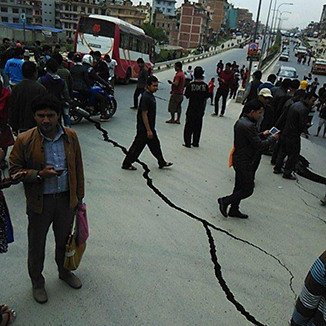
That is what Citizen Seismology is about: involving citizens and using them as a primary source of information (witnesses). Such information can be used to study the population reaction to seismic events (sociology of risk and risk management), and also to obtain valuable testimonies on the seismic events themselves. Many events are, by nature, transitory: when they occur, usually no scientist is on the spot ready to record them. But local people have the ability and the technology to help. In the case of seismic events, many phenomena (dust clouds for example) can only be recorded immediately because of their transient and fleeting nature.
If citizens are informed and involved in the seismic field, they will be more vigilant and keen to take pictures, movies, write testimonies, in a word, be active witnesses. Citizen Science has been acknowledged for many years, but the development of Citizen Seismology itself is very recent. With its many projects involving citizen participation, the EMSC is a driving force in this new area of study. A video available on Youtube explains all of the EMSC activities related to Citizen Seismology.
![]() Sharing pictures on the EMSC website: photo of a cliff collapsing during an earthquake in Greece (2008) sent by a witness. |
Among its activities, the EMSC is currently gathering a unique database of testimonies and pictures of seismic events, some of them almost never documented before. How is the EMSC collecting them? When people experience an earthquake, they come to our website to find out what happened. Then they have the opportunity to share their experience and/or pictures of the event, with scientists and also with other users: after an initial review by the EMSC staff, comments/ pictures are made public so everyone can have access to them, and compare his/her own experience with that of other witnesses. Through the EMSC website, citizens can share their memories of an earthquake, experience catharsis and contribute to the progress of seismology. To involve the citizens further, the EMSC |
|
is developing a new, user-friendly website that allows users to quickly find the information they need. With the support of DigitalElement it has also developed a tool to locate, in the first few minutes after a seismic event, where it has been felt, by analysing the hit rate change on its website: Feltmaps. Upcoming projects include the measurements of ground accelerations using laptop sensors (with Edinburgh Univ.). The EMSC is also working for the general audience. An educational seismicity map was created by the EMSC (in partnership with the Fondation MAIF) in 2009. This map, distributed in French junior high schools, aims to make the young aware of the level of hazard in the Euro-Med region. |
![]() Download High R - Low R - Pdf File EMSC/Fondation MAIF seismicity map We would like to thank the French Ministry of Ecology for its continued support of our Citizen Seismology activities. |